Regional bioeconomy transition in focus at BIO2REG Connect
Turning dialogue into delivery
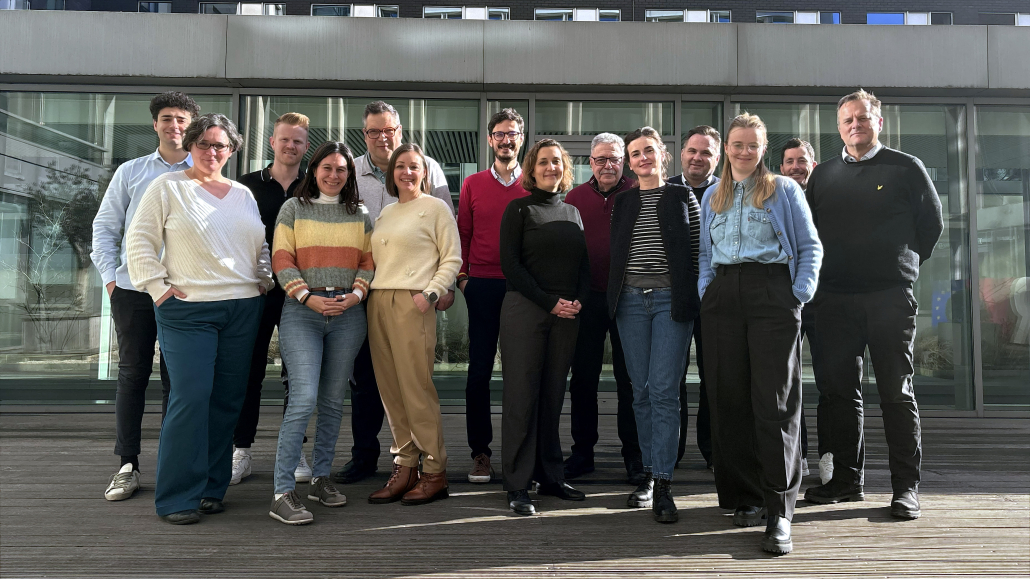
On 3 February 2026, regional authorities, researchers, cluster managers and policymakers gathered in Brussels for BIO2REG Connect, a flagship event organised by the BIO2REG project team. The event addressed the key question of how Europe’s ambitions for the bioeconomy can be implemented at the regional level.
Across Europe, many regions are facing structural transformation pressures driven by climate change, biodiversity loss, economic uncertainty and demographic shifts. Regions with carbon-intensive industries or resource-based sectors are particularly affected. Against this backdrop, BIO2REG Connect set out to explore how the circular bioeconomy can help these regions rethink resource use, industrial processes, and value chains while building stronger, more resilient local economies.
Regions at the heart of the transition
Through interactive sessions and breakout discussions, participants explored practical pathways for systemic regional change, as well as the barriers that are still preventing promising initiatives from being scaled up.
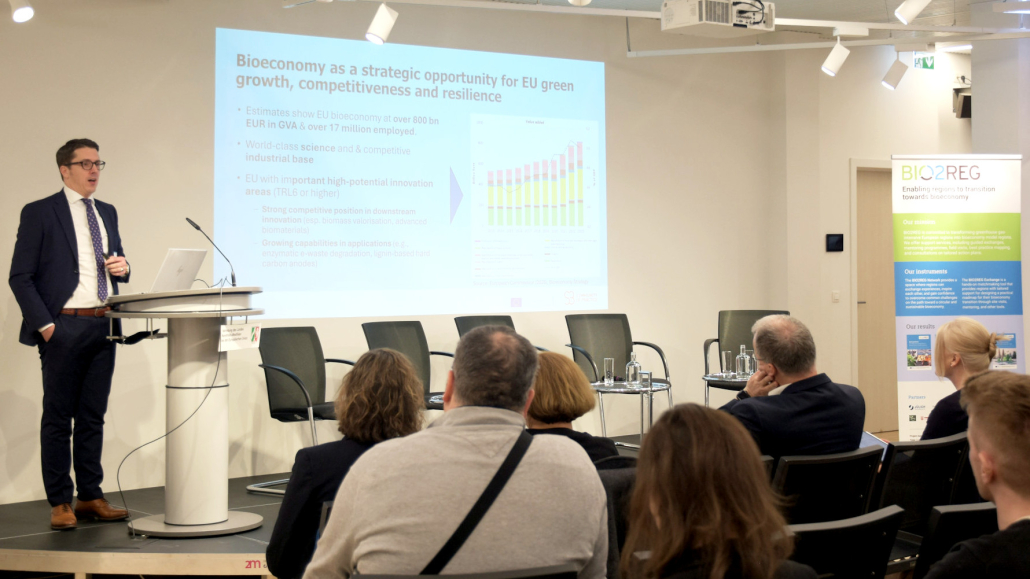
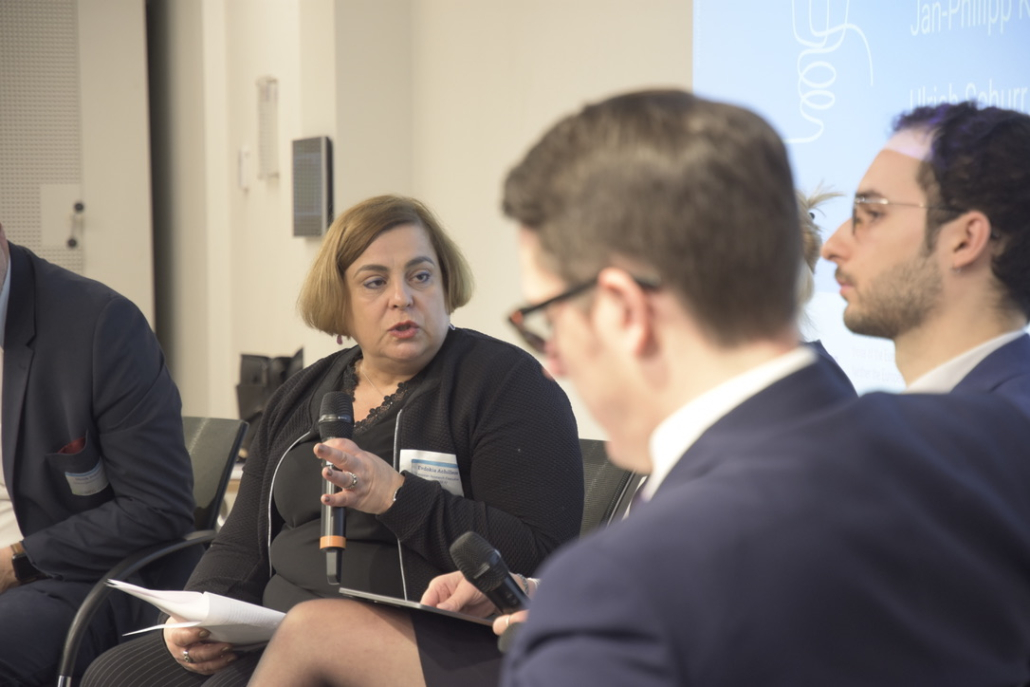
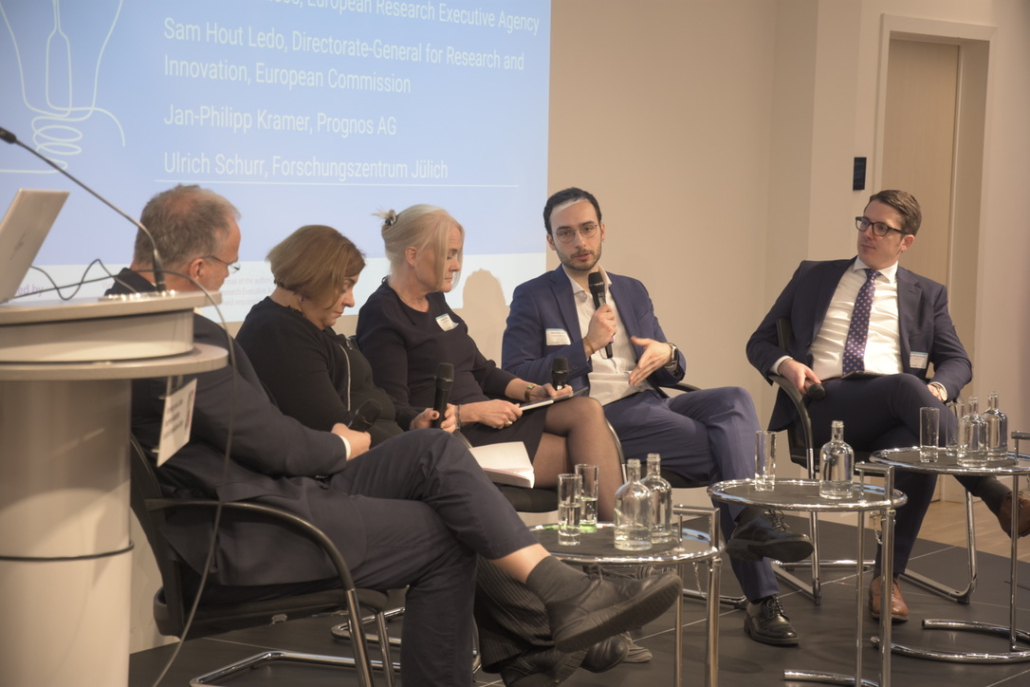
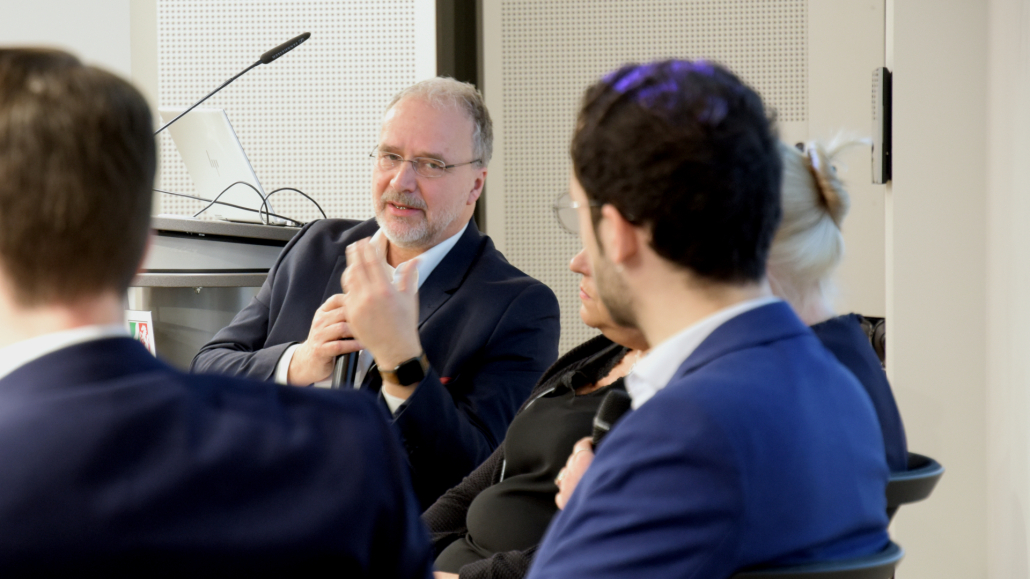
In his keynote speech, Sam Hout Ledo (DG Research & Innovation, European Commission) called for stronger youth engagement and emphasised the importance of expanding the network of Regional Bioeconomy Youth Ambassadors to connect innovation ecosystems with future generations.
Further contributions, from Evdokia Achilleos (Research Executive Agency) and Jan-Philipp Kramer (Prognos AG) highlighted the central role of regions in implementing Europe’s bioeconomy strategy. Ulrich Schurr (Forschungszentrum Jülich) then underlined how regions can act as innovation spaces and key drivers of transformation.
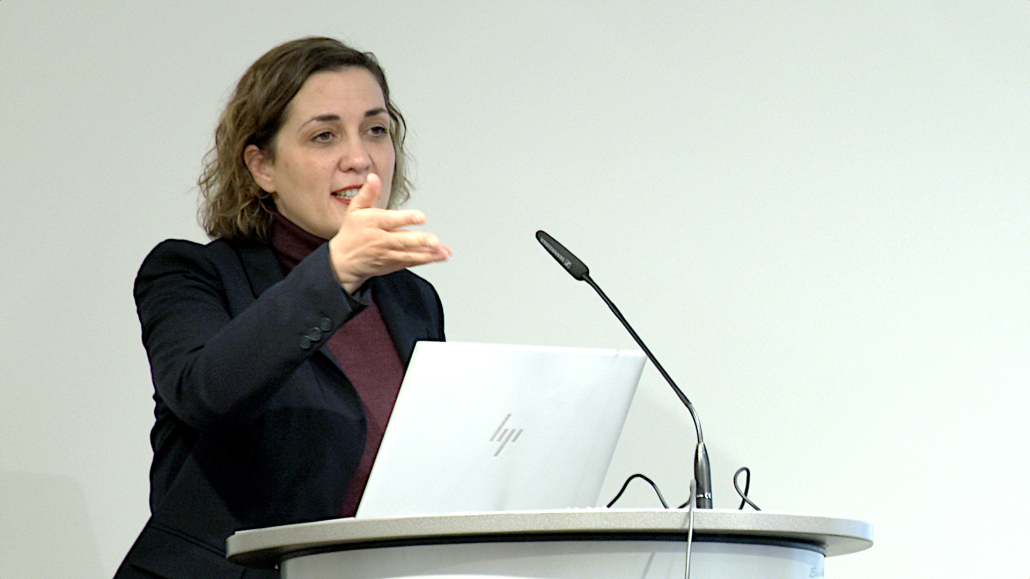
Denise Gider, project coordinator of the BIO2REG project and co-organiser of BIO2REG Connect
Introducing the project’s approach, BIO2REG Coordinator Denise Gider (Forschungszentrum Jülich) outlined BIO2REG support regions in identifying their bioeconomy potential and translating regional strengths into tangible action through tailored tools and peer exchange.
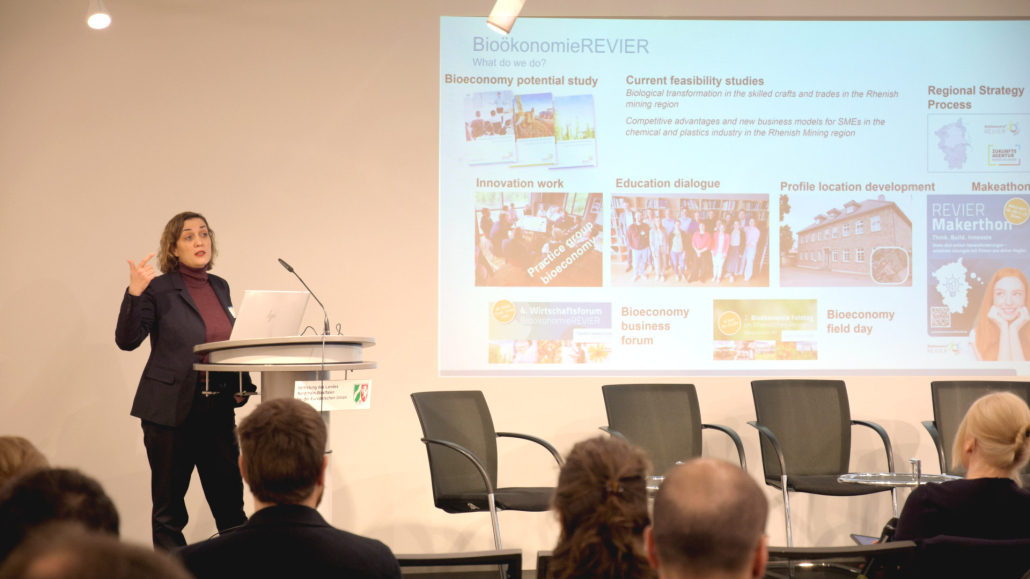
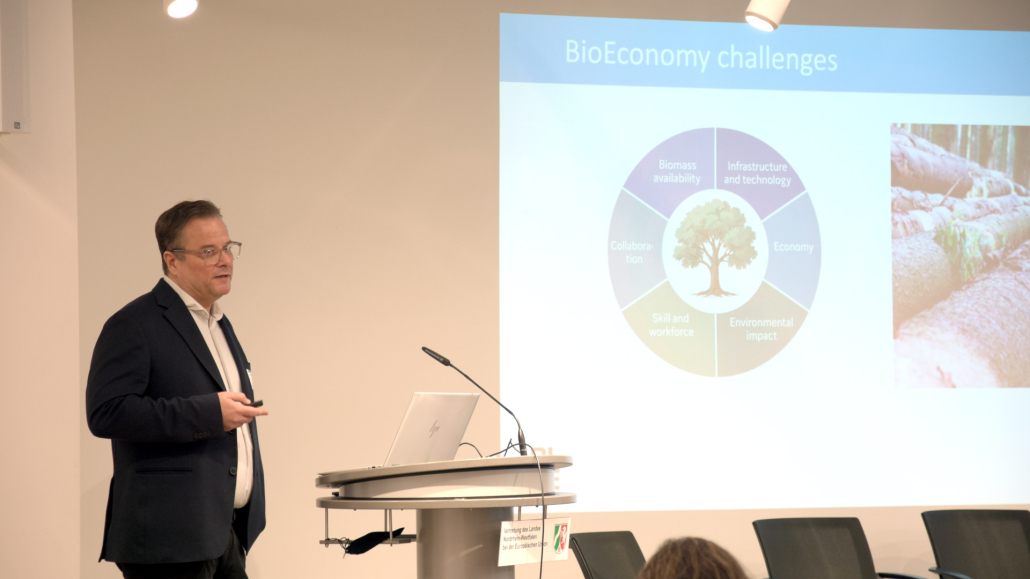
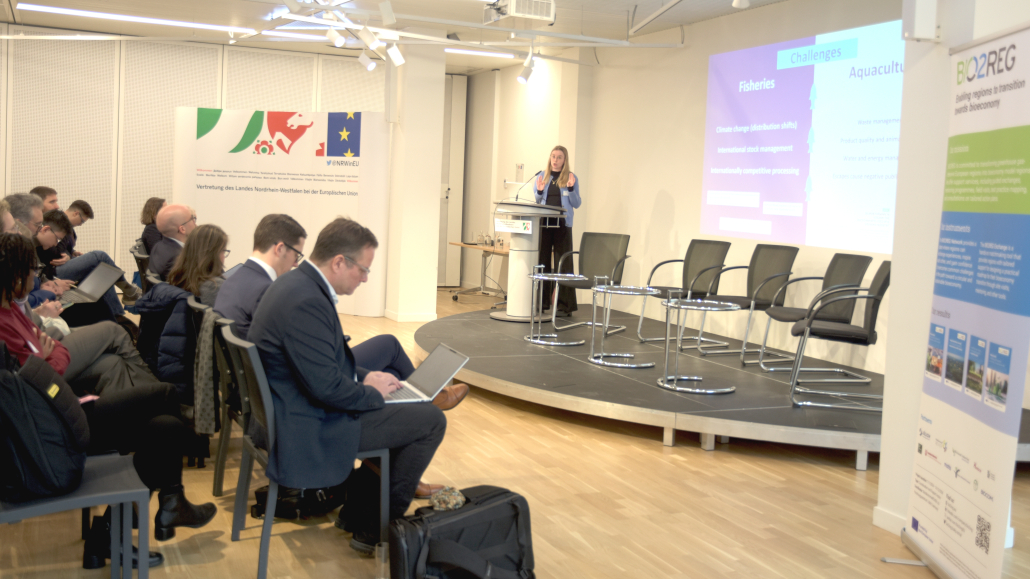
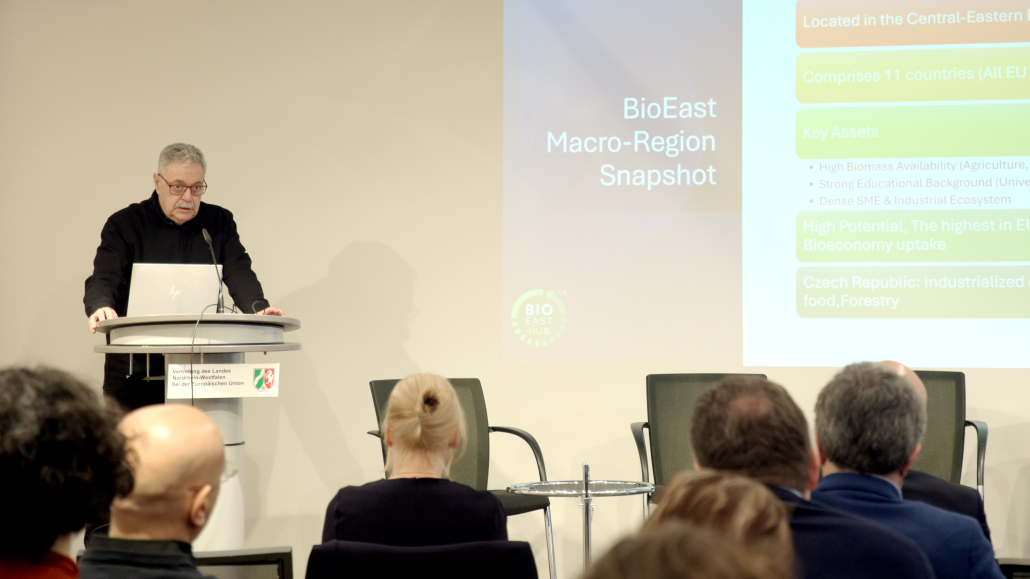
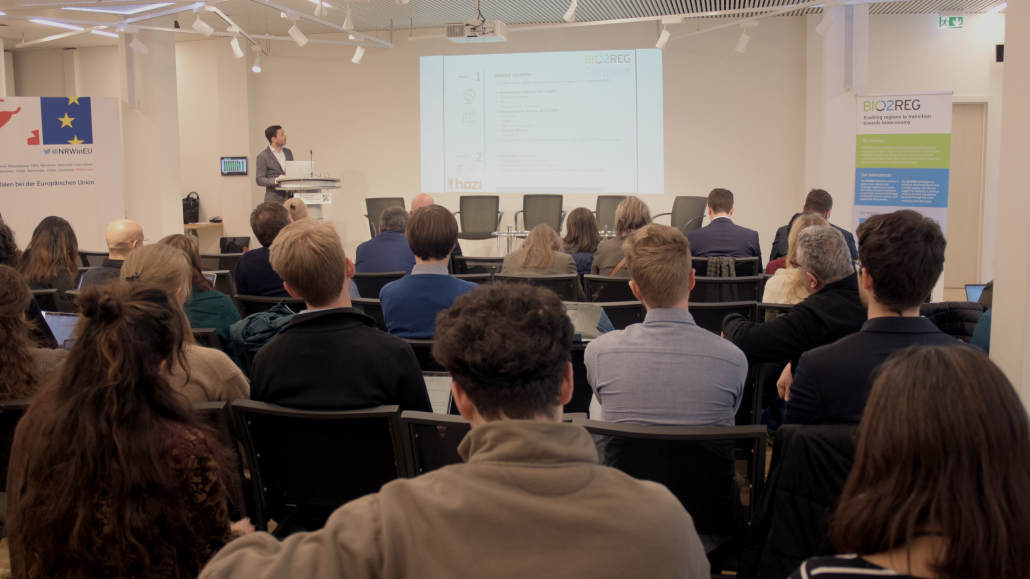
Regional pitches from Sweden, Iceland, Germany, Spain and Eastern Europe showcased examples of best-practice already advancing bio-based innovation across Europe:
- Rhenish mining region: Denise Gider, BioökonomieREVIER at Forschungszentrum Jülich
- Swedish regions: Mattias Drotz, RISE
- Icelandic regions: Katrín Hulda Gunnarsdóttir, Matís
- Eastern European Regions: George Sakellaris, BIOEAST HUB CZ
- Basque country: Gorka Altuna, HAZI Foundation
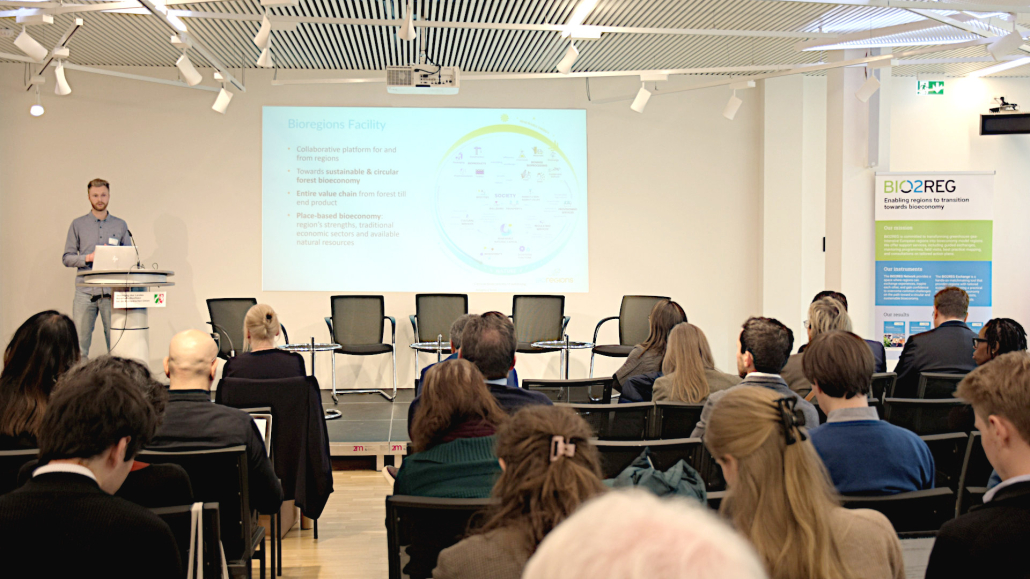
In addition, related projects shared their services that can help accelerate regional bioeconomy projects:
- Bioregions Facility, European Forest Institute: Siebe Briers
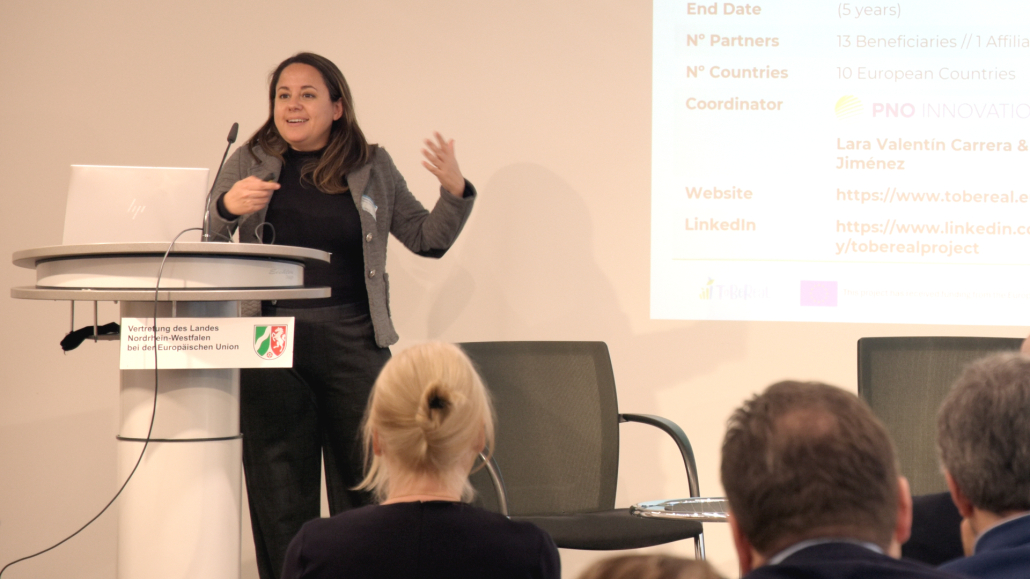
- ToBeReal project: Lara Valentin (PNO INNOVATION Spain)
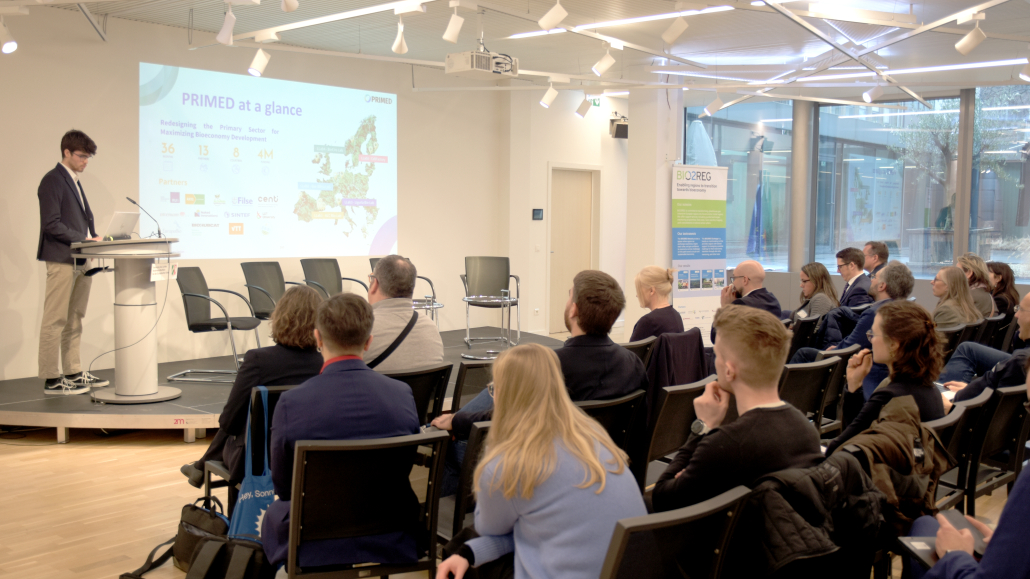
- PRIMED project: Marcos Jimenez Sanchez (EuropaBio)
Overcoming fragmentation through cooperation
There was a clear consensus that stronger interregional cooperation could help to overcome fragmentation by leveraging Europe’s regional diversity as a strategic asset. Mutual learning and cross-border knowledge transfer were widely recognised as key to accelerating innovation while respecting local economic and societal realities.
Although many regions are already piloting innovative bio-based solutions, participants agreed that it is crucial to connect these initiatives across borders in order to enable wider uptake beyond localised niches.
Strengthening regional delivery capacity
Discussions also revealed persistent structural hurdles. Delivery capacity at regional level remains uneven, with stakeholders noting that traditional project-based approaches often fail to generate a lasting impact. Mobilising private investment remains a significant challenge, with many regions lacking the necessary investment ecosystems to scale solutions beyond the pilot stage.
Participants therefore stressed that implementation requires long-term stakeholder alliances and regional investment frameworks that outlast short funding cycles. Speakers also emphasised that sustainable transformation cannot be implemented top-down but must be co-created with citizens, researchers, industry representatives and public institutions to ensure legitimacy and long-term success.
Managing complexity in a system of systems
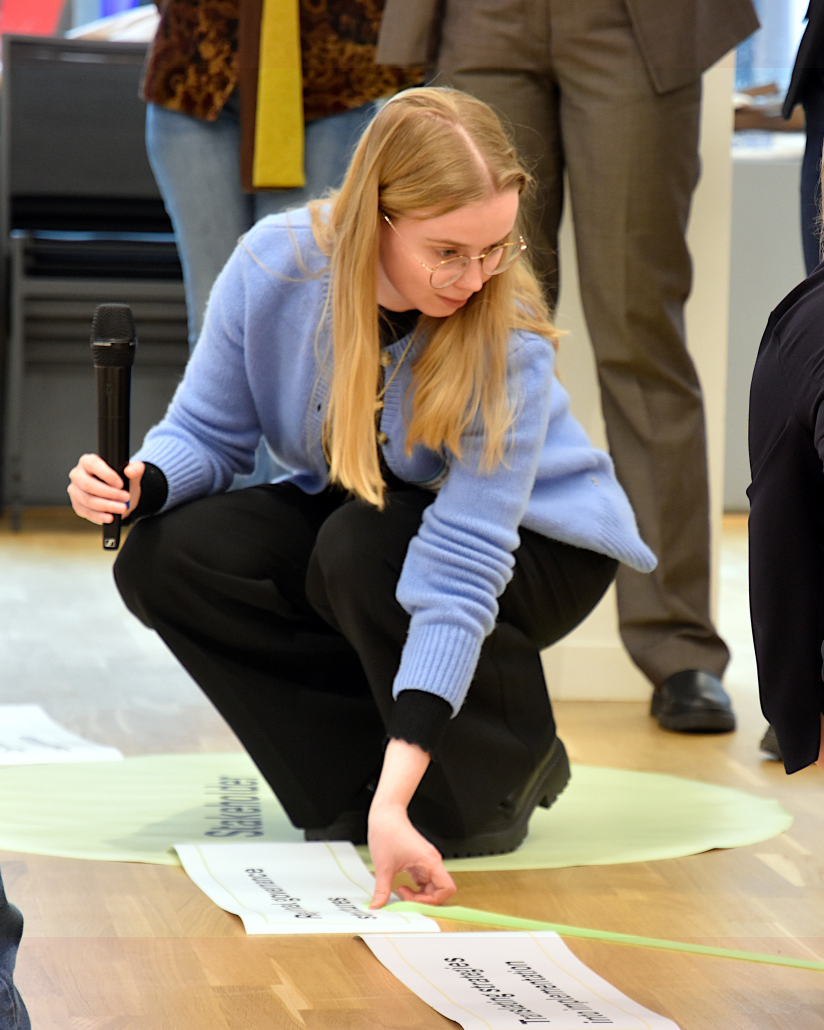
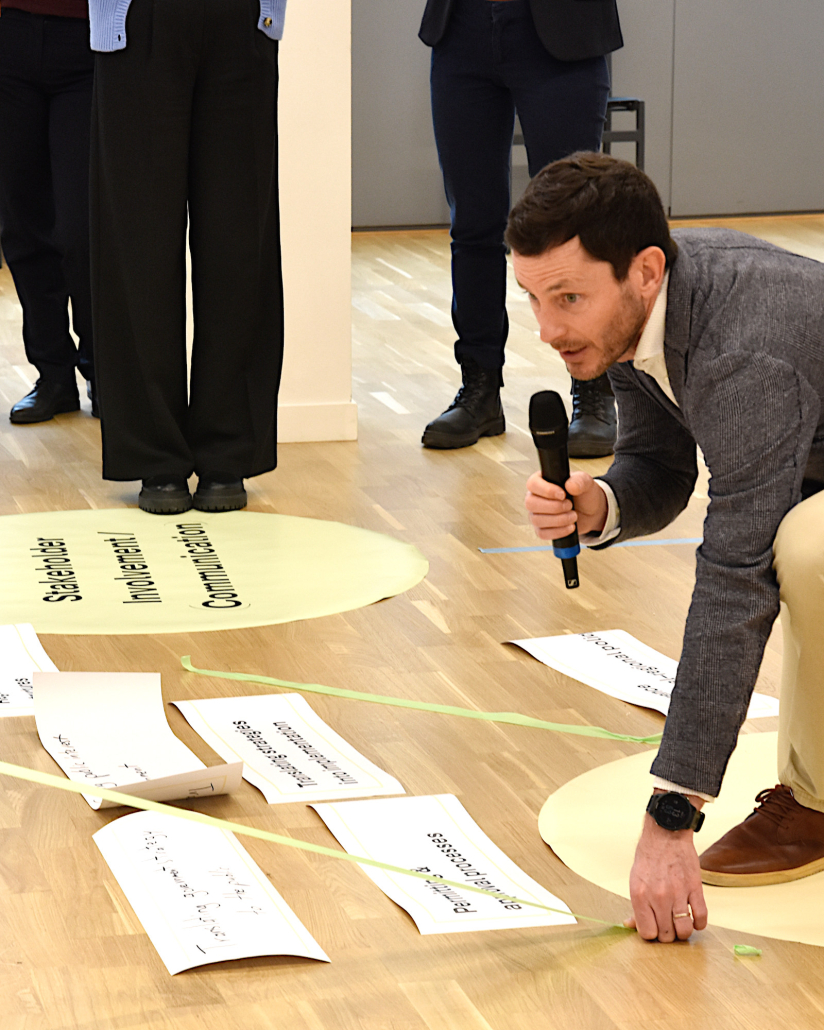
A final collaborative workshop highlighted the inherent complexity of the bioeconomy. Participants concluded that, as a system of systems, it requires active coordination at a meta level to guide stakeholders and support the transition from niche initiatives to mainstream regional development pathways.
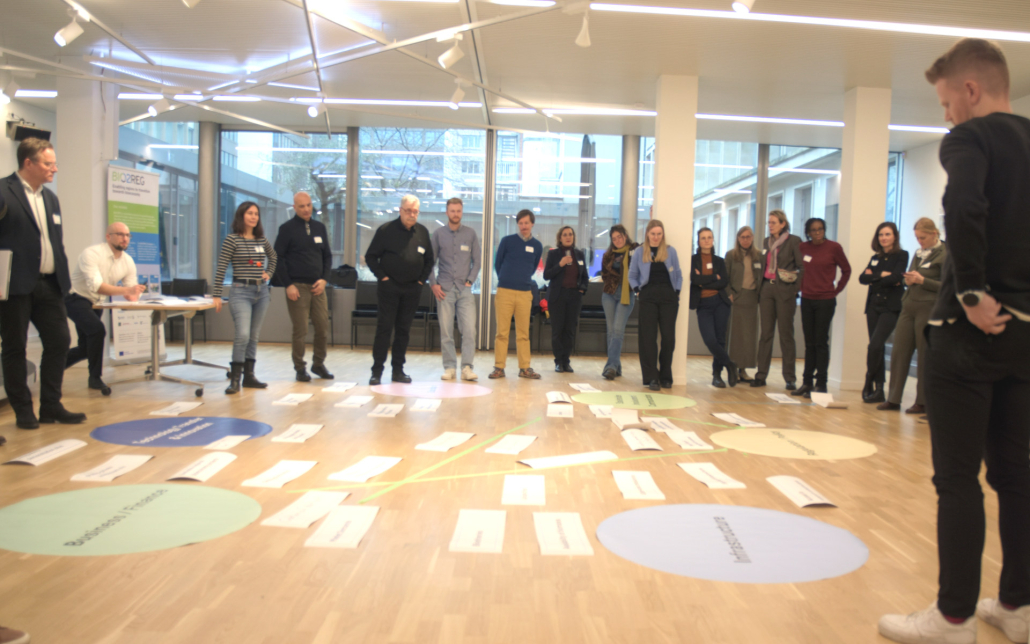
Effectively managing this complexity is essential to ensure that innovation-driven regional strategies meaningfully contribute to Europe’s broader climate, competitiveness and sustainability goals.
“We are encouraged by the level of engagement and willingness to collaboration shown by regions across Europe,” said Denise Gider, who co-organised the event together with communication lead Uta Mommert (Knowbio GmbH). “With its growing network and Exchange programme about to start, BIO2REG is now well positioned to drive Europe’s bioeconomy transition through shared regional action.”

 onlyyouqj / Adobe Stock